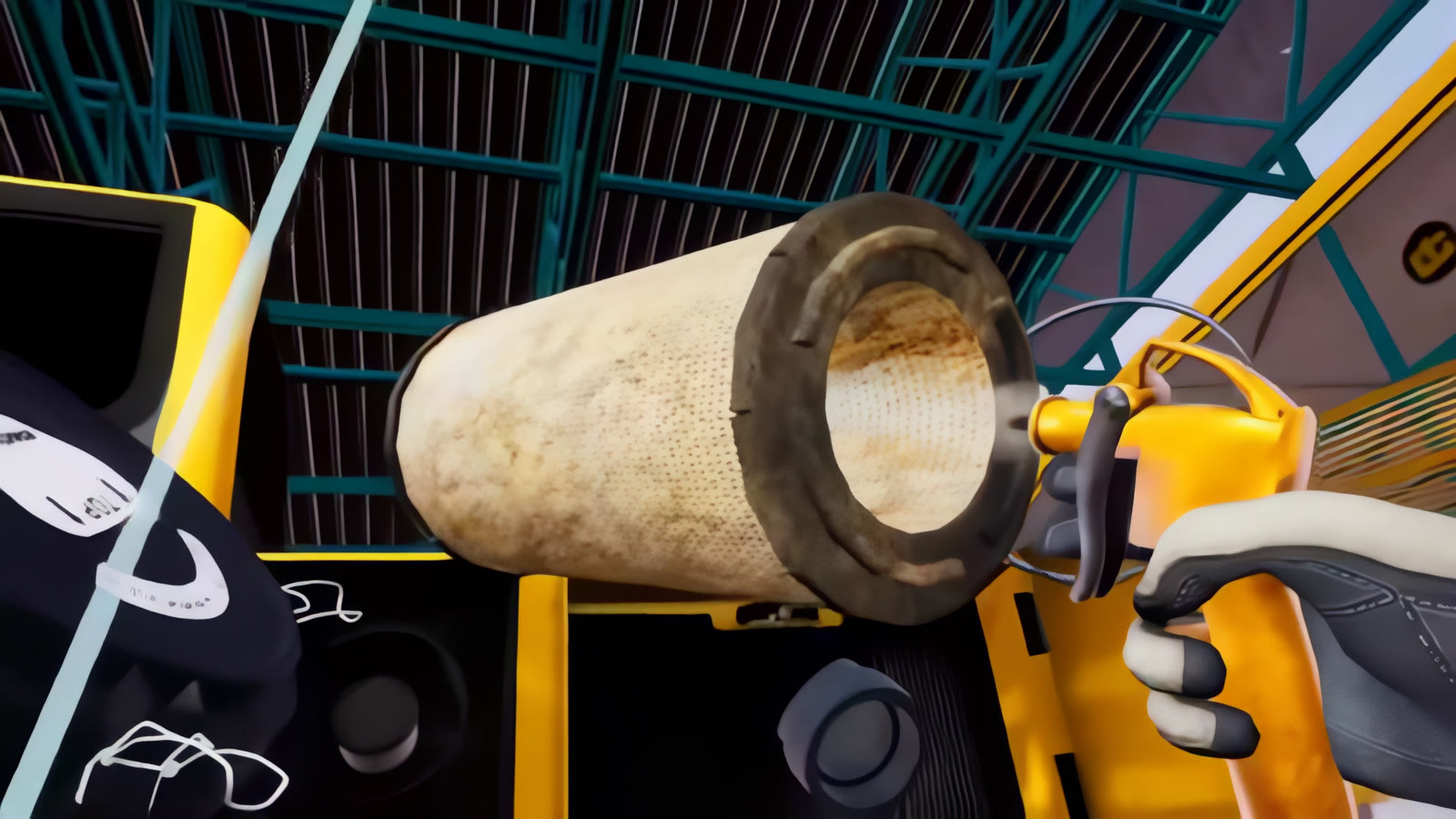
SOLUTION 03
Interactive, CAD-accurate 3D of the machine you already have
Someone's told you to explore digital twins, and every vendor you ask means something different. Here it means one thing: a working, interactive 3D model of your equipment, connected to real data only where it adds value, and only as far as your budget reaches.
Interactive, CAD-accurate 3D, with an honest line on what's feasible at your budget.
We do not deploy multi-million dollar, plant-wide enterprise IoT programs. We build targeted interactive models, adding behavior or data connectivity only where it directly solves an operational bottleneck.
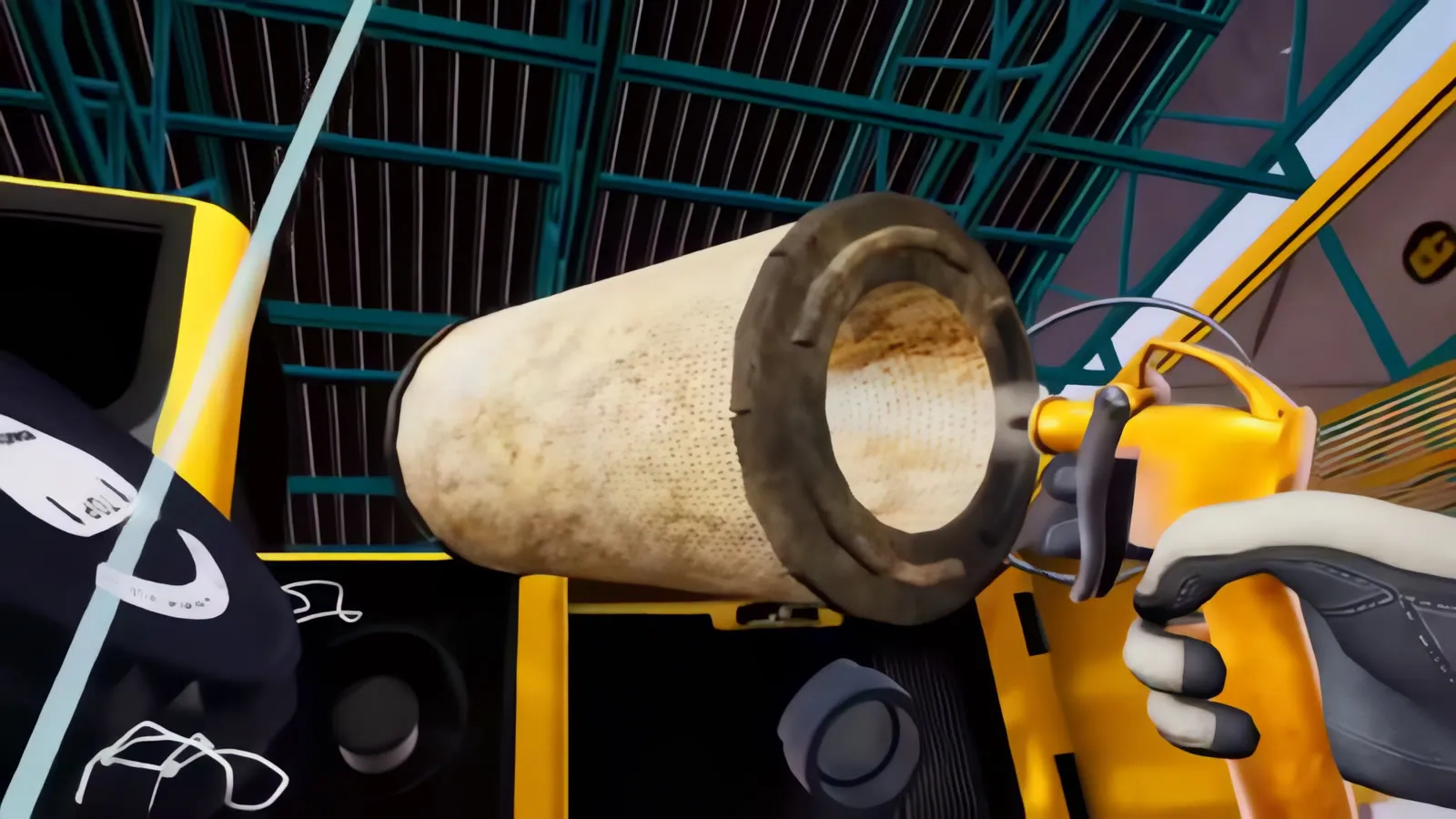
CAD-accurateinteractive 3Doptionally data-connectedDatasmith pipeline
Three tiers, from a model to a connected twin
Visualize
A CAD-accurate model your team can move through and inspect. Correct geometry, correct scale, real materials.
The lightest build. A single machine can start from a fixed-price pilot from $6,000.
Sales, training intros, and anyone who has to show the equipment without the equipment in the room.
Interact
The model becomes interactive. Controls operate, moving parts respond, and system logic drives behaviors such as flow, pressure, and machine states.
The middle of the program band. The complexity of the behavior, not the polygon count, moves the number.
Maintenance and service training, process walkthroughs, and design reviews.
Connect
The twin reads real data. A scoped hook to a defined machine or line, sensor values overlaid on the model, recorded runs replayed.
The top of the range, scoped individually, because the data side is where budgets vary most.
Operations and engineering teams who need the model to reflect a specific machine using scoped operational data, rather than a generic asset.
What you actually get
THE INTERACTIVE MODEL
- Interactive application built from your CAD at true scale
- Runs on headset or desktop, with browser streaming as an optional add-on
BEHAVIOR & DATA
- System behavior where it matters: flow, pressure, machine states, moving parts
- Optional data hooks: a scoped feed from a defined machine, sensor values on the model, recorded runs replayed
DOCUMENTATION, SOURCE & SUPPORT
- Project source handed over at milestones. Owned, not rented.
- Build documentation, plus an optional technical care plan where live integrations require ongoing maintenance.
What runs where
| Standalone headset | Desktop | Browser stream ² | |
|---|---|---|---|
| CAD-accurate interactive model | supported | supported | supported |
| System behavior: flow, pressure, machine logic | supported | supported | supported |
| Runs fully offline | supported | supported | No ¹ |
| True-scale, room-scale walkthrough | supported | not supported | not supported |
¹ browser stream renders in the cloud and needs a network; the headset and desktop builds install and run offline
² browser stream (pixel streaming) is an optional add-on and runs on a streaming subscription your team licenses; the desktop build is the default non-VR form
What a twin can do at your budget, and where we stop
Feasible at this budget
- A data hook from one defined machine or line, refreshing the model on a schedule you set (not a real-time plant-wide feed)
- Sensor values and machine states overlaid on the 3D model, so a reading has a place on the machine
- Real behavior and recorded runs: system logic that reacts, and past runs replayed for review or training
Not at this budget
- Real-time sync across a whole plant, thousands of sensors, or an enterprise historian. That is an IoT platform program, and a different budget.
- Predictive maintenance as a live service. We can show the data that would feed it. We do not run the model that predicts.
built by Simvra's founder · full role and build details on each case page
Exploring a digital twin and not sure how far it needs to go? Describe the machine and the goal. You'll get an honest scoping reply, not a sales sequence.
Scoping call to a working twin, step by step
- step 1 of 6
Scoping call
30 min - step 2 of 6
Written feasibility + ballpark
2 business days - step 3 of 6
Fixed-price pilot
2-5 weeksone machine, one working scenario, at the tier you need
- step 4 of 6
Design & greybox
1-2 weeksbehavior and layout proven before polish
- step 5 of 6
Production
4-10 weeksa new build weekly, source at milestones
- step 6 of 6
Deployment & handover
~1 weekyour model, your devices, your files
The pilot is the front door
Pilot
from $6,000
2-5 weeksOne equipment package from your CAD · one working procedure or demo flow · standalone Quest 3 build · written findings + full program proposal. 50% credited toward a program started within 6 months.
Program
$20,000-
A twin scoped to the tier your use case needs: the interactive model, the behavior, and any in-scope data hooks, deployed to headset, desktop, or browser, with build documentation and project source at milestones.
The tier does most of the work on the number. Geometry establishes the baseline; behavior and data are where complexity increases. Existing CAD lowers it. A connected twin is scoped individually, because the data side varies most. Full bands: How we work
The questions people exploring twins actually ask
Short answers with numbers. Longer versions live on How we work.
Scale and scope. The enterprise IoT platforms are plant-wide, always-on systems with a licensing and integration budget to match. This starts as small as one machine and its behavior, built from your CAD, and grows only as far as you need. If you actually need the plant-wide platform, we'll tell you so on the call.
It can start there, and it doesn't have to stay there. The Visualize tier is a CAD-accurate model you move through. Add Interact and it behaves: controls work, and system logic like flow and pressure runs. Add Connect and it reads real data from a defined machine. You pay for the tier you need, and you can climb later.
To a point. A scoped data hook from a single defined machine or processing line, refreshing on a schedule via standard web endpoints or database feeds, is entirely feasible. Real-time synchronization across an entire multi-acre facility or thousands of active sensors is an IoT platform program with a completely different infrastructure budget. Connected features require a network; the desktop and headset builds operate fully offline.
You own your project-specific deliverables: the scenes, assets, and configured application built for your equipment. Simvra retains its reusable core framework, licensed to you perpetually and non-exclusively. Owned, not rented.
01VR training simulations: practice dangerous, expensive procedures on a headset instead of the machine02Virtual equipment demos: your product in a customer's hands, anywhere
Scope a twin honestly, on a call
replies within 1 business day · NDA before any material exchange